The Evolution and Impact of Modern Laboratory Testing
In the realm of healthcare, laboratory testing has undergone a significant transformation with the advent of modern technologies. These advancements have not only enhanced the accuracy of diagnostic procedures but have also expedited the delivery of results, thereby improving patient outcomes.
Technological Innovations
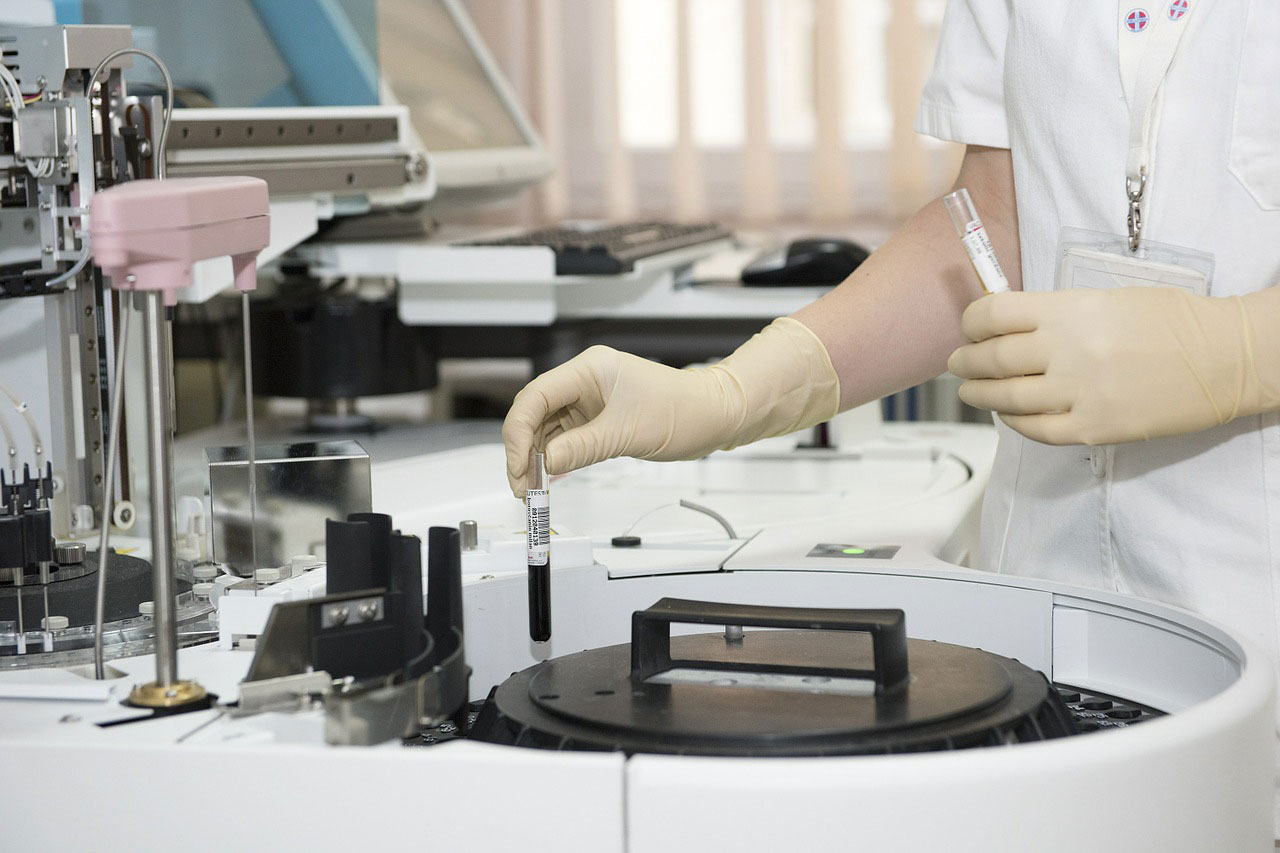
The integration of automation and robotics in laboratory settings has revolutionized the way tests are conducted. Automated analyzers can now perform a multitude of tests rapidly and with minimal human intervention, reducing the likelihood of human error and ensuring consistent results. Moreover, the use of high-throughput screening allows for the simultaneous analysis of thousands of samples, which is particularly beneficial in epidemiological studies and drug development.
Molecular Diagnostics
Molecular diagnostic techniques, such as Polymerase Chain Reaction (PCR) and Next-Generation Sequencing (NGS), have provided a deeper understanding of genetic markers and their association with various diseases. These methods have been pivotal in the early detection of conditions like cancer, infectious diseases, and hereditary disorders, facilitating timely and targeted treatment strategies.
Point-of-Care Testing
Point-of-care testing (POCT) has brought laboratory diagnostics closer to the patient. Devices that are portable and easy to use enable healthcare providers to perform tests at the bedside or in outpatient settings, delivering immediate results that can inform clinical decisions without delay.
Digital Pathology
Digital pathology, which involves the scanning and analysis of pathology slides using computer algorithms, has improved the precision of histopathological diagnoses. Artificial intelligence (AI) and machine learning algorithms are increasingly being employed to identify patterns and anomalies that might be overlooked by the human eye.
Challenges and Considerations
Despite these advancements, modern laboratory testing faces challenges such as the need for standardization across different platforms and the ethical implications of genetic testing. Furthermore, the interpretation of complex results requires a high level of expertise, underscoring the importance of continuous education and training for laboratory professionals.
Conclusion
Modern laboratory testing stands as a testament to the remarkable progress in medical science. It has not only streamlined diagnostic processes but also opened new avenues for personalized medicine. As we continue to embrace these technologies, it is imperative to address the accompanying challenges to maximize their potential for enhancing patient care.